For parents · 8 min read
What Is Structured Literacy? A Parent's Plain-English Guide
Structured literacy, Orton-Gillingham, and the Science of Reading, in plain English.

Free, about 5 to 10 minutes, no account. We ask for your email to show you the result.
The short version
- Structured literacy is a clear, step-by-step way of teaching a child to read.
- We don’t teach children to guess. We teach them to decode, to sound out words reliably using skills they have actually been taught.
- A child moves forward only after truly mastering the current step, not after a set number of days.
If you've heard the words "structured literacy," "Orton-Gillingham," or "the Science of Reading" and felt a little lost, you're in the right place. Here's what these terms actually mean, why they matter, and how to spot a program that uses them well.
What is structured literacy?
Structured literacy is a clear, step-by-step way of teaching a child to read. Instead of hoping reading "clicks" on its own, it teaches every building block of written language directly and in a sensible order. Children learn the sounds letters make, how those sounds blend into words, and how words build into sentences and stories.
The key idea is simple. Reading is not natural the way talking is. Most children need to be taught how written words work. Structured literacy makes that teaching explicit, organized, and easy to follow.
How is it different from "guess from the picture"?
For many years, a popular approach (often called whole language or balanced literacy) encouraged children to guess unfamiliar words from pictures, context, or the first letter. A child stuck on the word "horse" might be told to look at the picture of a barn and take a guess.
That works until the pictures and easy clues run out, usually around third grade. Then the guessing strategy collapses, and a child who was "getting by" suddenly struggles.
Structured literacy takes the opposite path. We don't teach children to guess. We teach them to decode, to sound out words reliably using skills they have actually been taught. That skill never runs out. It transfers to every new word a child will ever meet.

The key principles
Real structured literacy follows a handful of principles. When you understand these, you can judge any reading program for yourself.
- Explicit. Every skill is taught directly and out loud. Nothing is left for the child to figure out by accident.
- Systematic and cumulative. Skills are taught in a deliberate order, from simplest to most complex. Each new skill builds on the ones already mastered, so knowledge stacks instead of scattering.
- Diagnostic and mastery-based. A child moves forward only after truly mastering the current step, not after a set number of days. Gaps get caught early, not after they've snowballed.
- Multisensory. Children see the letter, hear the sound, say it aloud, and often trace or write it. Using more than one sense at once helps the learning stick.
- Decodable text. The practice reading is "controlled," meaning it only contains sounds the child has already learned. A child can actually read the page by decoding it, instead of guessing or memorizing.
Ready to try one night together?
7 days free. No card.
Where Orton-Gillingham and the Science of Reading fit in
These terms get used together a lot, so let's untangle them.
Orton-Gillingham
Orton-Gillingham is one of the original, time-tested approaches to teaching reading this way. It was developed to help children who struggle, and it pioneered the explicit, systematic, multisensory method that structured literacy is built on. When a program says it is "Orton-Gillingham based," it usually means it follows that time-tested structure and sequence.
The Science of Reading
The Science of Reading is not a program or a product. It is the broad body of research, gathered over decades across reading, cognitive science, and education, about how children actually learn to read. The consistent finding from that research is that explicit, systematic phonics is the most reliable way to teach reading, especially for children who find it hard.
So the relationship is straightforward. The Science of Reading is the evidence. Structured literacy is the teaching approach that evidence points to. Orton-Gillingham is one well-established way of delivering it. They all point in the same direction.
Why this approach especially helps kids with dyslexia
Dyslexia makes it harder for the brain to connect sounds to letters. Guessing-based methods are especially tough for these children, because guessing is exactly the thing they cannot lean on.
Structured literacy removes the guessing. It teaches the sound-to-letter connections directly, slowly, and in order, with plenty of practice and review. This is precisely what a child with dyslexia needs. It is worth saying clearly: a reading program is educational support, not a medical diagnosis or treatment. If you suspect dyslexia, a qualified professional can evaluate your child. But the teaching method that helps a diagnosed child is the same method that helps any child build a strong reading foundation.
Not sure where your child stands today? You can take your child's free reading check in about 5 to 10 minutes, no account needed, just an email to see the result. It shows you exactly which phonics step your child is on.

What to look for in a program that claims to use it
Plenty of programs use the right words. Fewer actually do the work. Here's a checklist you can hold any program to.
- A clear, fixed sequence. Can you see the order skills are taught in? Is it the same logical progression every time?
- Real mastery gates. Does the child have to prove a skill before moving on, or does the program just march ahead on a schedule?
- Decodable practice text. Is the reading material limited to sounds the child has learned, so they can decode rather than guess?
- Built-in review. Do older skills come back on a planned, spaced schedule so they don't fade?
- Accurate sound modeling. Does the program teach pure letter sounds correctly? (The "b" sound is "buh" without a heavy vowel tail, small details like this matter.)
- Clear progress you can see. Can you tell, week to week, what your child has mastered and what's next?
This is exactly how we built A New Page. It is an at-home, parent-run program for kids ages 3 to 18, especially struggling readers and children with dyslexia (our youngest, ages 3 to 4, start with Play Time, a pre-reading track of sound games). About fifteen minutes a night, your child reads a decodable "adventure" story set at their exact phonics step. The story only advances as they read it. Steps are mastery-gated, missed skills return on a spaced schedule, every new sound comes with pure-sound audio, and you get a printable progress report every week. Your child even creates their own hero and chooses a story world (made-up adventures and true stories) plus The Fieldbook.
The best way to understand it is to see it with your own child. You can start a free week, no card needed; just an email gets you going. After that it's $29 a month, and you can cancel anytime.
Common questions
Is structured literacy only for kids with dyslexia?
No. It was refined to help struggling readers, but the research is clear that explicit, systematic phonics helps almost every child learn to read. It is simply the most reliable foundation, whether or not a child has any diagnosis.
My child already reads "okay." Is this still worth it?
Often, yes. Many children who read "okay" are actually leaning on memorization and guessing, which catches up with them in later grades. A quick reading check can show whether there are hidden gaps in your child’s phonics foundation, even if reading looks fine on the surface.
Is Orton-Gillingham better than the Science of Reading?
They aren't competitors. The Science of Reading is the research consensus about what works. Orton-Gillingham is one established, structured way of putting that research into practice. A good program reflects both.
How much time does a structured-literacy routine take at home?
Less than parents expect. Short, consistent, focused sessions beat long, occasional ones. With A New Page, about fifteen minutes a night is enough to keep a child moving steadily through the sequence.
This guide is based on structured-literacy principles and current reading research. A New Page is educational support, not diagnosis or therapy.
See where your child is, free
A short, kind reading-level check. About 5 to 10 minutes, no account. We ask for your email to show you the result.
Or start your free week, no card needed. Just your email, so tonight is saved.
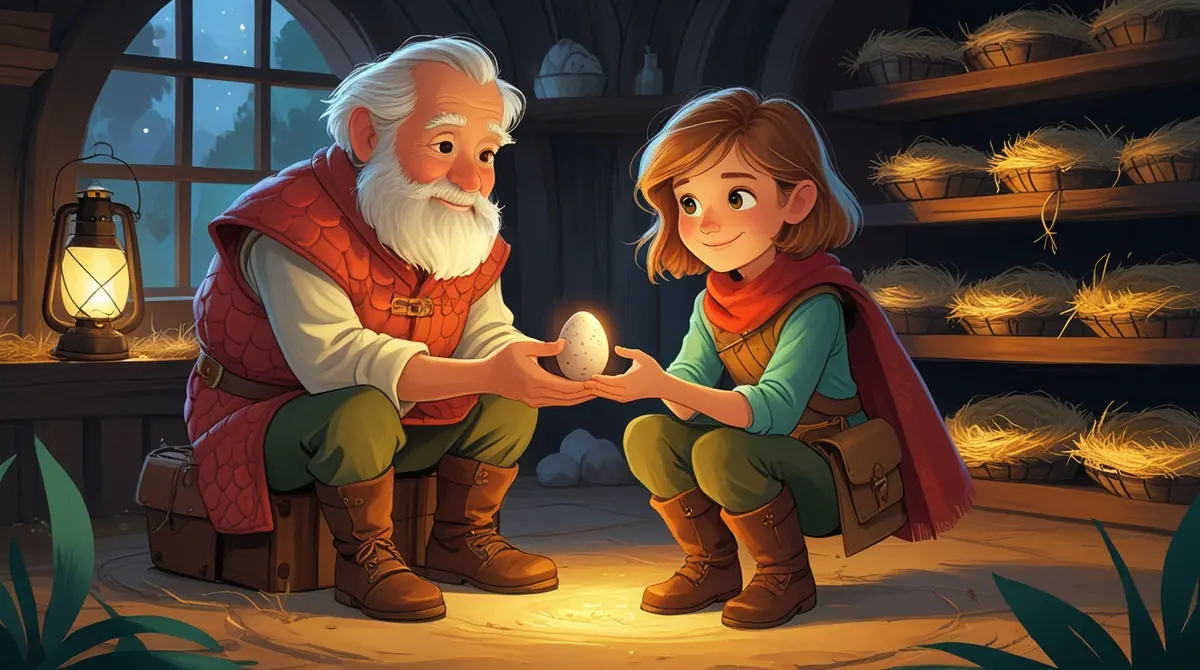
What A New Page is
A reading program you do together, at home.
Fifteen minutes a night, side by side, from first sounds to confident reading, for ages 3 to 18. Your child reads the hero’s lines in a real story, built only from the sounds your child has learned. You read the rest from a script, so you never have to guess what to say.
A free week, no card needed. Then $29 a month for the whole family, or $299 a year. That’s the founding family price, and it stays yours for as long as you’re with us.
Fifteen minutes a night.
A real story.
Start the free reading checkor read one night free, no account
7 days free. No card.