More that helps
A New Page is just one piece of the puzzle.
Resources we have seen genuinely help a struggling reader, beyond our own program. Not a complete list, and we earn nothing from any of it.

We don't pretend to have all the answers, and this is not a complete list. These are simply resources we have seen genuinely help a struggling reader, gathered in one place to save you some searching. Add to it, ignore what does not fit, and take what helps.
We earn nothing from anything on this page. No affiliate links, no kickbacks.
If you suspect a reading difference
Start here. This part is free, and it is part of the federal special education law (IDEA).
You can ask your local public school district, in writing, for a free evaluation, even if your child is homeschooled or in private school. The school must answer you in writing, and if it says no, it has to explain why. Most parents never know to ask.
What to say, and when to worry → Build your request letter →The clearest plain-language guide to evaluations, IEPs, 504 plans, and your rights, written for parents who are just starting out.
understood.org →Parents who have walked this exact road, organized state by state to push for better reading instruction and to help each other through it. Find your state's chapter and you find people who get it.
decodingdyslexia.net →Find a specialist or tutor
For a child who needs one-to-one, expert instruction alongside daily practice.
These are established one-to-one structured-literacy programs. A New Page runs the nightly practice between sessions; a certified specialist leads the teaching. They pair, they do not compete.
How we pair with each →If the daily fight is the school itself, our own free advocacy project helps you navigate evaluations, IEP meetings, and finding vetted specialists near you.
anewstoryadvocacy.com →Ready to try one night together?
7 days free. No card.
Real books to read
Real library books matched to your child's phonics stage, across every genre, so they never open a book full of words nobody taught them. The whole point of learning to read is getting to read.
Open the ladder →Publishers whose decodable books match our early levels. Their whole craft is real stories written inside the code a beginner has actually been taught, including dignity-safe books for older beginners.
See which titles, by level →Learn the why, for free
The best parent-education on how reading actually works. No sign-up, no cost.
The friendliest on-ramp to the science of reading for parents, articles, videos, and at-home strategies you can use tonight.
readingrockets.org →Fact sheets, the Knowledge and Practice Standards, and local branches. The authoritative source when you want to go deeper.
dyslexiaida.org →The single clearest picture of why more than half of children need explicit instruction, and why some need far more of it. It reframes the whole conversation.
nancyyoung.ca →Books for the grown-ups
Recommended by our Founding Literacy Advisor. Worth the read when you want to truly understand what your child is up against, and the strengths that come with it.
When there is more than reading going on
Sometimes practice alone is not enough, and that is not a failure. Two challenges need two interventions.
If focus, not decoding, is the wall, reading practice will keep stalling until the attention piece is addressed too. Both belong in the plan. Start with your pediatrician and the school evaluation.
CHADD.org →An underlying language issue, understanding sentences, finding words, slows reading no matter how strong the phonics. A speech-language evaluation is part of the same free school referral.
asha.org →Kids learning English need language support alongside reading instruction, not instead of it. Struggling in a second language is not dyslexia, and dyslexia does not wait for English to finish developing.
More on sorting this out →Assistive tech and audiobooks
Reading to learn should never wait for learning to read. Ears count too.
Let a child keep growing vocabulary, knowledge, and a love of story by ear while decoding catches up. This is a bridge, not a shortcut.
learningally.org → bookshare.org →Free ebooks and audiobooks from your local library, on any device. The most underused resource for raising a reader, and it costs nothing.
libbyapp.com →Want the Friday Note?
Leave your email and we will send you one short note on Fridays when we have something worth your time. The toolkit stays right here on this page, free, no email needed. Never sold, unsubscribe any time.
Gathered by the A New Page team, reviewed with our literacy advisor. We are not affiliated with these organizations and earn nothing from linking them, we just think they help. If one of these is not the right fit for your family, that is normal, the right help is the help that works for your child.
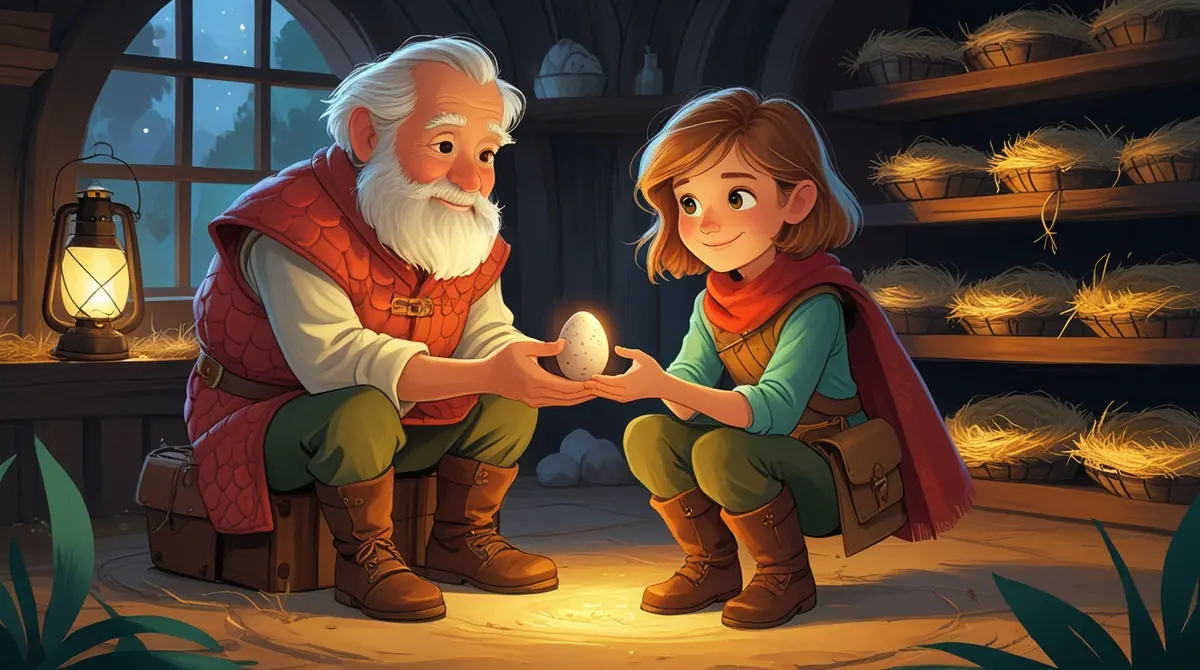
What A New Page is
A reading program you do together, at home.
Fifteen minutes a night, side by side, from first sounds to confident reading, for ages 3 to 18. Your child reads the hero’s lines in a real story, built only from the sounds your child has learned. You read the rest from a script, so you never have to guess what to say.
7 days free. No card. Then $29 a month for the whole family, or $299 a year. That’s the founding family price, and it stays yours for as long as you’re with us.
Fifteen minutes a night.
A real story.
Start your free weekor read one night free, no account
7 days free. No card.